Last updated: August 16, 2026
Kitchen scraps feel like an obvious way to reduce waste and treat a flock at the same time, and most of the time that instinct is fine. What can chickens eat covers a wide range of everyday food, but a short list of common household items are genuinely unsafe, some seriously enough to cause real harm, and it is worth knowing that list before scraps become a daily habit.
This guide works as both a what not to feed chickens checklist and a foods toxic to chickens reference, based on guidance from university extension sources, and it answers the related question of what can chickens not eat before scraps become a daily habit. It also covers why moderation matters even for the things that are perfectly safe.
Quick Answer
What can and can’t chickens eat?
- Most fresh vegetables, fruit, and cooked grains are safe in moderation alongside a complete feed.
- Avoid avocado, chocolate, raw or dry beans, green potato peels, moldy food, alcohol, and apple seeds or fruit pits, which university extension sources flag as genuinely unsafe.
- Large amounts of onions and salty food are also worth avoiding, even though small amounts are unlikely to cause harm.
- When you are not sure whether something is safe, the simplest rule is to leave it out of the flock’s diet.
Safe or Avoid: A Quick Reference
Use this table as a starting point, then read the sections below for the reasoning behind each category.
| Category | Examples | Verdict |
|---|---|---|
| Fresh vegetables | Leafy greens, squash, carrots, cooked pumpkin | Generally safe in moderation |
| Fruit | Berries, melon, apple flesh without seeds | Safe in small amounts; watch sugar content |
| Cooked grains and beans | Cooked rice, oats, thoroughly cooked beans | Safe; raw or dry beans are not |
| Avocado, chocolate, raw beans | Skin, pit, and flesh of avocado; any chocolate; uncooked beans | Avoid entirely; genuinely toxic |
| Green potato peels, moldy food | Green-tinted potato skin, anything visibly moldy or spoiled | Avoid entirely |
| Salty or sugary processed food | Chips, sweets, heavily salted leftovers | Avoid; not worth the risk for the treat value |
Safe Everyday Scraps
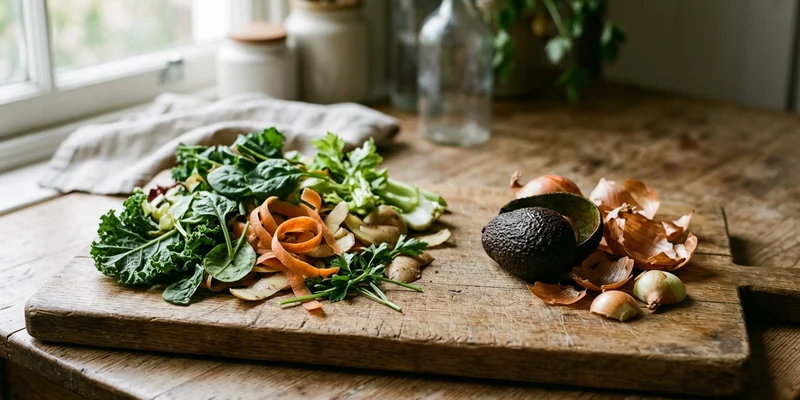
Most fresh vegetables make good, safe treats, including leafy greens, squash, carrots, and cooked pumpkin, which many keepers also value for its natural deworming reputation among backyard flock circles, though that is a traditional practice rather than a verified treatment. Fruit works too in modest amounts: berries, melon, and apple flesh with the seeds removed are common favorites, though the natural sugar in fruit means it should stay a treat rather than a daily staple.
Cooked grains and thoroughly cooked beans are also safe, unlike their raw counterparts. Plain cooked rice, oats, and pasta are all reasonable ways to use up leftovers without introducing anything harmful, as long as they are not heavily salted, buttered, or seasoned before they reach the flock.
Foods to Avoid Completely
According to guidance from university extension sources including UF/IFAS Extension, a specific list of common foods pose genuine risks to chickens and should be kept out of their diet entirely. Avocado contains a toxin called persin, most concentrated in the skin and pit, that can cause breathing problems, weakness, and heart issues. Chocolate contains theobromine and caffeine, both toxic to poultry even in small amounts, with effects ranging from hyperactivity to heart problems. Raw or dry beans contain a toxin that causes serious digestive problems; cooking beans thoroughly neutralizes this risk, but uncooked beans should never reach a flock.
Green tinted potato peels contain solanine, which affects the nervous system and can cause digestive and cardiac issues, so skip potato skins with any green coloring, though plain cooked potato flesh is fine in moderation. Moldy or rotten food of any kind can produce toxins that cause respiratory or digestive problems, so when in doubt about freshness, leave it out. Apple seeds and other fruit pits release cyanide compounds when crushed or chewed, which is why apple flesh is fine but the core and seeds should be removed first. Alcohol and coffee or other caffeinated items should also never be offered; both affect the nervous system and heart and can be fatal.
Foods That Are Usually Fine in Small Amounts
Onions in large quantities can damage red blood cells and may cause anemia over time, and can also affect the flavor of eggs, but small amounts mixed into scraps are generally not a significant concern according to extension guidance. The safer approach is simply to keep onions an occasional, small addition rather than a regular feature of scraps. Salty foods deserve similar caution in larger amounts, since excess salt can cause dehydration and put strain on a bird’s kidneys, so processed, heavily salted leftovers are worth skipping even though they are not classified as toxic outright.
The theme across this whole category is the same: small amounts are unlikely to cause harm, but there is no upside to making them a habit when safer alternatives exist.
Why Moderation Matters Even for Safe Foods
A balanced, complete feed should remain the backbone of a flock’s diet, with scraps and treats making up a small share of overall intake. Even foods that are completely safe can crowd out the protein, vitamins, and calcium a complete feed supplies if treats become too large a portion of daily eating. Our guide on chicken scratch and treats covers the rule of thumb most keepers use to keep this balance in check.
If you are raising chicks, keep in mind that scraps and treats generally should wait until chicks are past the earliest starter feed weeks, since their nutritional needs are narrower and more demanding than an adult bird’s. Our feed by life stage guide covers that timeline in more detail.
Yard and Garden Plants Worth Watching
Beyond the kitchen, a few common yard and garden plants are worth knowing about if your flock free ranges or has access to a garden bed. Nightshade family plants, including the green parts of tomato and potato plants, contain the same solanine concern as green potato peels, so keep flocks away from tomato and potato foliage even though the ripe fruit itself is generally fine in moderation. Rhubarb leaves are another plant commonly flagged as unsafe, while the stalks are more commonly fed in small amounts.
If you are landscaping or gardening in an area your flock has access to, it is worth checking any new plant against a reliable extension or poultry keeping resource before assuming it is safe simply because it is common in home gardens. Ornamental plants in particular vary widely, and not every popular garden plant is chicken safe.
Common Mistakes to Avoid
- Assuming anything a human eats is safe for a chicken. Chocolate, avocado, and raw beans are common kitchen items that are genuinely unsafe.
- Feeding moldy or spoiled scraps to save waste. Moldy food can produce toxins that cause real harm. Discard it instead of feeding it out.
- Leaving fruit pits and apple cores in with treats. Remove seeds and pits before offering fruit, since they release cyanide compounds when chewed.
- Overdoing salty or heavily processed leftovers. Excess salt causes dehydration and kidney strain, even though it is not classified as an outright toxin.
- Guessing instead of checking. When you are unsure whether a food is safe, the simplest approach is to leave it out of the flock’s diet entirely.
Frequently Asked Questions
Can chickens eat avocado? No. Avocado contains persin, a toxin most concentrated in the skin and pit, that can cause breathing problems, weakness, and heart issues in chickens.
Can chickens eat chocolate? No. Chocolate contains theobromine and caffeine, both toxic to poultry, and can cause hyperactivity, seizures, or heart problems even in small amounts.
Can chickens eat raw beans? No. Raw or dry beans contain a toxin that causes serious digestive problems. Thoroughly cooked beans are safe.
Can chickens eat onions? Small amounts are generally considered low risk, but large quantities can damage red blood cells and may affect egg flavor, so keep onions occasional rather than routine.
What human food is best for chickens as a treat? Fresh vegetables like leafy greens and squash, plus small amounts of fruit with seeds and pits removed, are common safe choices in moderation.
What should I do if my chicken ate something toxic? Contact a veterinarian or your local agricultural extension office right away rather than waiting to see what happens or attempting to treat it yourself.
The Bottom Line
Most fresh vegetables, fruit, and cooked grains make safe, welcome treats for a backyard flock, but a specific short list, avocado, chocolate, raw beans, green potato peels, moldy food, and a few others, should be kept out entirely based on university extension guidance. Keep treats to a modest share of the diet, skip anything you are unsure about, and call a veterinarian promptly if a bird ever eats something known to be unsafe.