BackyardChickenWise.com
Six hens, one coop, and a fox that keeps trying.
Coops, runs, feed and flock health for people keeping a handful of birds in the garden. Written for a suburban back lawn rather than a commercial barn, because six hens and six thousand are not the same problem.
Browse the guides ›Six things to work out
From wondering whether you are allowed, to keeping the coop clean two years in.
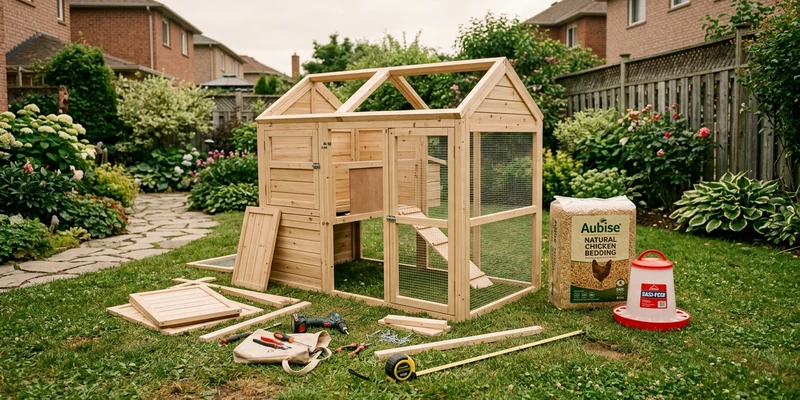 Getting Started ›
Whether you are allowed to keep chickens where you live, how many to begin with, and what the first year costs.
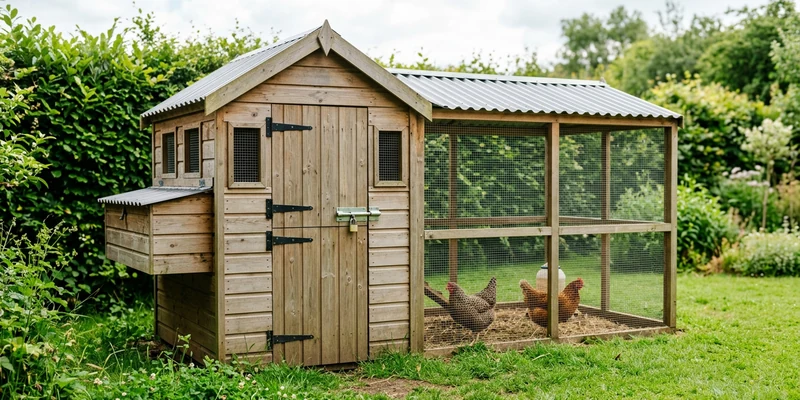 Coops & Runs ›
Space per bird, nesting boxes and roosting bars, and the mesh and latches that actually stop a raccoon.
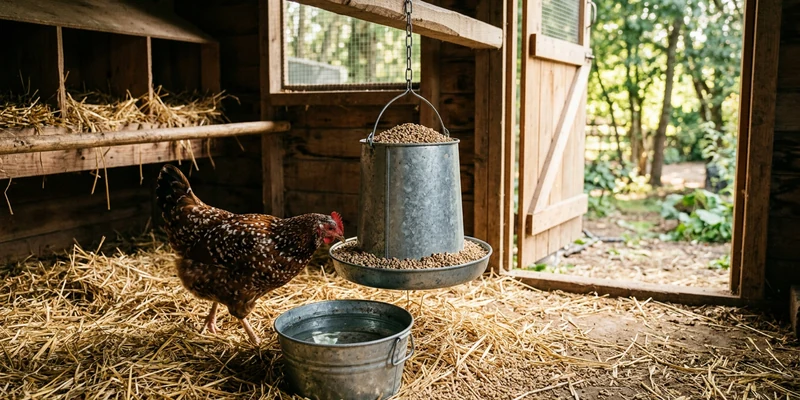 Feed & Water ›
Starter, grower and layer feed, grit and oyster shell, treats worth giving, and water that does not freeze.
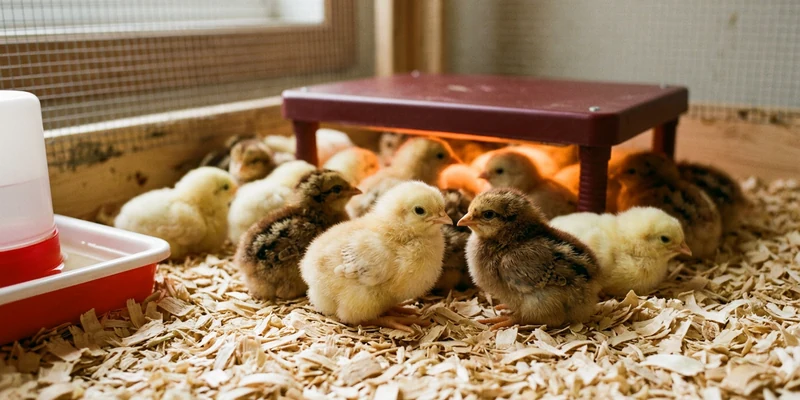 Chicks & Breeds ›
Which breeds suit a small yard, a cold winter or a house with children, and how to run a brooder or an incubator.
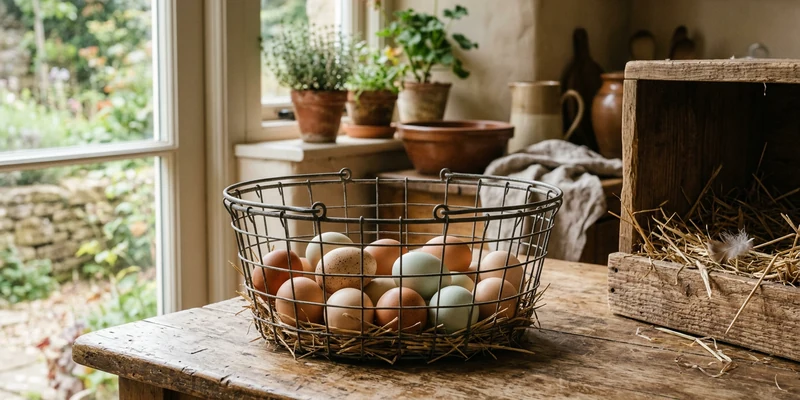 Eggs & Laying ›
When hens start, how many eggs to expect, why laying stops in autumn, and how to store what you collect.
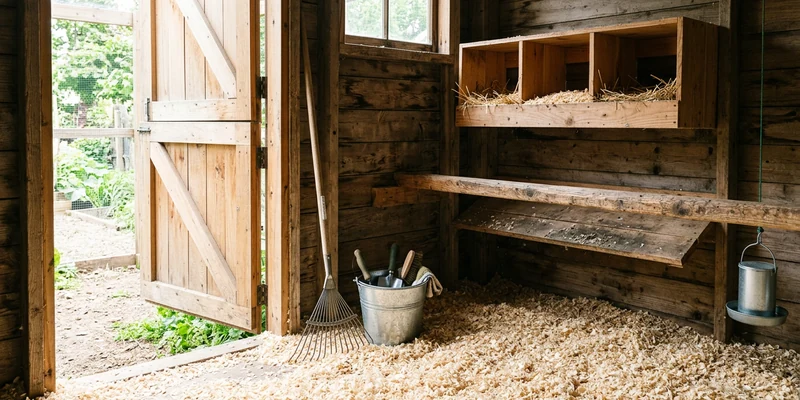 Flock Health & Coop Care ›
Mites and lice, moulting, bedding and manure, rats and flies, and knowing when a bird needs a vet.
Three places people start
Most people arrive here with one of these in front of them.
About the advice on this site
Two things here are not ours to decide. Whether you may keep chickens, how many, and whether a rooster is allowed comes from your local ordinance and your homeowners association, so we tell you to go and read them rather than quoting a number that fits some other town. And a bird that is ill or injured belongs with a veterinarian; we describe what common problems look like so you can spot them early, not so you can treat them from a web page.
Where we do give numbers, on space per bird, feed quantities or mesh sizes, they come from university extension services and manufacturers, and we name the source. Prices stay out of the written guides because they move constantly; the current one is always on the retailer page.