Last updated: August 16, 2026
Good chicken feed is the one purchase every backyard flock keeper makes over and over, and it is also the easiest thing to get wrong. Grab the wrong bag at the feed store, and you end up with pullets on layer feed months before they should be, or hens missing the calcium they need to keep laying well.
The differences between bags on the shelf come down to life stage formulation, protein level, and how fresh the feed actually is by the time it reaches your coop. This guide walks through what to check on the label, the feeds that come up again and again in keeper feedback, and the mistakes that waste money or slow down your flock.
This article contains affiliate links. If you buy through them, we may earn a commission at no extra cost to you. Learn more.
Quick Answer
Which chicken feed should you buy?
- For a mixed flock of laying hens, a complete layer feed with added calcium, built around the protein level printed on the label, is the standard choice for most backyard keepers.
- If you are raising chicks, start with chick starter feed and move to grower feed before switching to layer feed once hens are near laying age.
- Whatever you buy, check the mill date and store it in a sealed, rodent proof container, because feed loses nutritional value and can spoil once moisture or pests get into the bag.
What to Check Before You Buy Chicken Feed
Every row below can be checked on the bag or the product listing before you buy. Getting these right keeps your flock on a consistent diet instead of one that changes every trip to the store.
| What to check | Why it matters | What to look for |
|---|---|---|
| Life stage formulation | Chicks, growers, and layers need different protein and calcium levels | Chick starter feed for the first weeks, grower feed after that, layer feed once hens begin laying |
| Protein percentage | Set by the manufacturer for each life stage and purpose | The protein level printed on the label, matched to the life stage you are feeding |
| Calcium content | Laying hens pull calcium from their own bones if the diet falls short | A layer feed with added calcium, plus free choice oyster shell offered alongside it |
| Form: pellet, crumble, or mash | Affects how much chickens waste by sorting out pieces they prefer | Pellets or crumbles reduce selective eating compared with loose mash |
| Medicated vs non medicated | Relevant mainly for chick starter feed | Check whether your chicks were vaccinated, and ask your feed store which formula fits your situation |
| Freshness and packaging | Feed loses nutrients and can mold once a bag is opened | A recent mill date and a bag you can reseal or transfer into an airtight container |
Feed and water go together in daily flock care, and a hen eating well but drinking from a dirty or empty container will not lay consistently. Our chicken waterer guide covers the systems that keep water clean and available.
Starter, Grower, and Layer Feed: Knowing the Stages
Chick starter feed is formulated for the first several weeks of life, with protein levels set higher to support rapid early growth. Grower feed steps protein down slightly as pullets mature, and layer feed is the formula meant for hens once they start producing eggs, built around added calcium that a growing pullet does not yet need. Feeding layer feed to chicks too early can strain their developing kidneys, which is why keepers are told to wait until hens are close to laying age before making the switch.
Form matters too. Pellets and crumbles bind the ingredients together so chickens cannot pick out the tastiest bits and leave the rest, which is a common problem with loose mash. Crumble is often preferred for younger birds because the pieces are smaller and easier to eat, while pellets are common for adult layer feed.
Why Freshness Matters More Than Any Single Ingredient
Feed is a perishable product, not a shelf stable pantry item. Vitamins degrade over time even in an unopened bag, and once a bag is opened, humidity, heat, and pests all work against the nutrition you paid for. A recent mill date printed on the bag is one of the few freshness signals you can actually check before buying.
Reviews and keeper forums consistently mention the same complaint about low quality feed: dust, excess fines, and inconsistent pellet size, all signs of a feed that was milled poorly or has sat too long. Buying from a retailer with steady turnover, and storing what you bring home properly, does more for your flock’s diet than chasing a slightly higher protein number on the label.
Our Top Picks at a Glance
How we chose: we compared widely available chicken feeds on protein formulation, ingredient consistency, and how consistently keepers report freshness and packaging quality. Selections lean on manufacturer specifications and recurring themes in customer reviews rather than any hands-on trial of our own.
🏆 Best Overall
A complete layer feed in pellet form with added calcium, formulated for mixed backyard flocks of laying hens. The straightforward, no fuss choice for most keepers once their birds are laying.

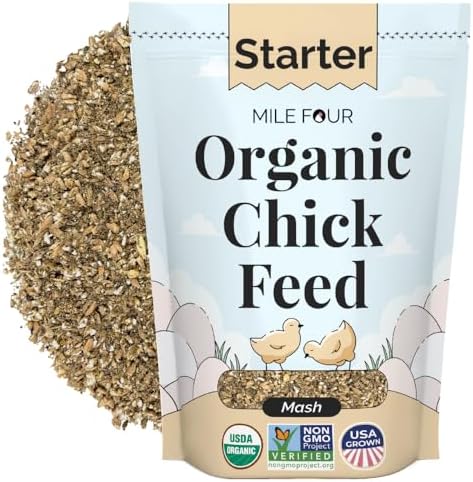
🐣 Best for Chicks
A chick starter feed sized for the first weeks of life, available in medicated and non medicated versions depending on your chicks’ vaccination status. The right starting point before grower and layer feed.
💛 Best Value
A large bulk bag of layer crumbles that lowers the cost per pound for keepers feeding a bigger flock or restocking regularly. Same core formulation, larger bag size.

Picks by Situation: Egg Production and Organic Diets
Two situations come up often enough to call out on their own: keepers chasing steadier egg output, and keepers who specifically want an organic or non GMO formula.
🥚 Best for Egg Production
A layer feed formulated with a higher calcium inclusion aimed at flocks in heavy lay, meant to be paired with free choice oyster shell rather than replace it.

🌾 Best Organic or Non GMO
An organic, non GMO layer feed for keepers who want their flock’s diet to match the standards they hold for their own food. Typically a smaller bag and a different price point than conventional feed.

Feeding Routines and Storage That Actually Work
Most keepers offer feed free choice, meaning it is available at all times rather than rationed, and let the flock self regulate intake through the day. Exact daily amounts vary with breed, season, and how much foraging your birds do outside the coop, so follow the feeding guide printed on the bag rather than a single number pulled from somewhere else.
Store unopened bags off the ground in a dry space, and transfer opened feed into a metal or heavy plastic bin with a tight lid to keep rodents and moisture out. If you are setting up a new coop, our large chicken coop guide covers layouts that leave room for a proper feed storage area.
Common Mistakes to Avoid
- Diluting a complete feed with too many extras. Scratch grains, kitchen scraps, and treats are fine in moderation, but too much of them lowers the overall protein and calcium your flock actually gets.
- Switching feeds abruptly. A sudden change in formulation can upset digestion. Mix old and new feed together for a week or two when you switch brands or stages.
- Feeding layer feed to chicks, or starter feed to laying hens. The calcium level in layer feed is too high for young, non laying birds, and starter feed will not support hens once they are producing eggs regularly.
- Storing open bags in the coop. Humidity, pests, and rodents all find their way into an open feed bag left where chickens live. Move it to a sealed container in a dry space instead.
- Ignoring the mill date. An old bag sitting on a back shelf has already lost some nutritional value before it reaches your flock, even if it looks and smells fine.
Where to Go From Here
Feed is only half of daily flock care. Pair it with a reliable water source, covered in our chicken waterer guide, and if you are hatching your own chicks rather than buying started pullets, our egg incubator guide walks through what comes before the first bag of starter feed.
Frequently Asked Questions
How much chicken feed does a hen eat per day? Intake varies with breed, season, and how much a bird forages outside the coop, so follow the feeding guide printed on your specific feed bag rather than a single fixed number. Free choice feeding lets most flocks self regulate.
Can chickens eat the same feed their whole life? No. Chicks need starter feed, pullets move to grower feed, and hens switch to layer feed once they begin laying, because each stage has different protein and calcium needs.
What is the difference between layer feed and all flock feed? Layer feed has added calcium for hens that are actively laying. All flock feed carries less calcium and suits mixed age flocks, with oyster shell offered separately so laying hens can take what they need.
Does chicken feed go bad? Yes. Vitamins degrade over time even in an unopened bag, and an opened bag exposed to moisture or pests can spoil or mold. Check the mill date and store feed in a sealed, dry container.
Do chickens need medicated starter feed? It depends on whether your chicks were vaccinated against coccidiosis. Medicated starter feed contains a coccidiostat, and non medicated versions do not. Your hatchery or local feed store can help you match the formula to your chicks.
The Bottom Line
The best chicken feed for most backyard keepers is a complete layer feed with added calcium once hens are laying, a proper starter feed while raising chicks, and a bag with a recent mill date stored somewhere dry and sealed. Match the formulation to your flock’s life stage, resist the urge to over supplement with treats, and feed quality will show up in steadier egg production.