Last updated: August 16, 2026
Rats and chickens end up sharing the same backyard more often than most new keepers expect, and once rats find a reliable food source, they rarely leave on their own. Rats in chicken coop structures and mice in chicken coop spaces are both common, and while mice are less dramatic than a rat problem, they eat and contaminate feed just as readily. Both draw in the same way: spilled grain, warm shelter, and easy hiding spots.
This guide covers how to keep rats out of chicken coop structures and how to manage mice as well, focusing on exclusion and sanitation, which extension sources treat as the foundation of rodent control, with poison-based methods used carefully and only as a backup.
Quick Answer
How do you keep rats and mice out of a chicken coop?
- Line the coop and run perimeter with hardware cloth, generally 1/4 inch openings for rats and closer to 1/8 inch to stop small mice.
- Store feed in sealed metal containers rather than bags, and clean up spills at the end of each day.
- Remove clutter, woodpiles, and debris near the coop that give rodents cover to approach unseen.
- If you use rodenticide, keep it in tamper-proof bait stations placed well away from where chickens, pets, or wildlife can reach it.
Rodent-Proofing at a Glance
Most rodent problems in a coop trace back to a handful of fixable gaps. This table lays out the main defenses.
| Defense | What it stops | Practical detail |
|---|---|---|
| Hardware cloth exclusion | Entry through gaps, vents, and the base of walls | 1/4 inch openings for rats, 1/8 inch for small mice |
| Sealed feed storage | The main food draw for both rats and mice | Metal containers with tight lids, not paper or thin plastic bags |
| Clutter and cover removal | Hiding spots and safe travel routes near the coop | Woodpiles, debris, and dense brush kept back from the structure |
| Elevated or apron-protected coop base | Burrowing access from underneath | Coops on legs, or hardware cloth buried around the perimeter |
Why Rats and Mice Are Drawn to Chicken Coops
Chicken feed is calorie-dense, often left accessible for hours at a time, and spillage around feeders is nearly unavoidable, which makes a coop one of the more reliable food sources a rodent can find in a backyard. Warm, sheltered coop structures with plenty of nooks add shelter to the appeal, and a consistent water source nearby seals the deal.
The risk goes beyond feed loss. Rodents are known carriers of a range of bacteria and parasites that can affect both people and poultry, and their gnawing is a recognized contributor to structural damage and, in some cases, electrical fires where wiring is present. Rats in particular are also capable of preying on eggs and very young chicks if they gain regular access to the coop.
Hardware Cloth and Physical Exclusion
Hardware cloth is generally considered the most reliable barrier for keeping rodents out, with 1/4 inch openings sufficient to stop rats and something closer to 1/8 inch needed to exclude small mice, which can squeeze through surprisingly narrow gaps.
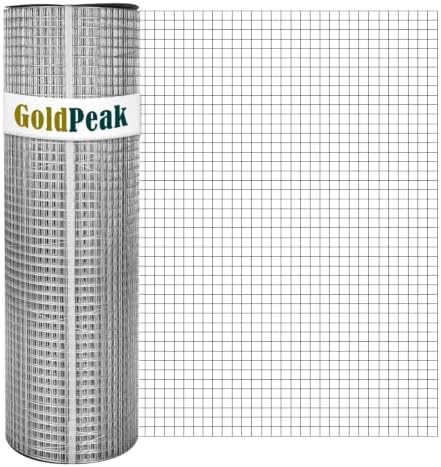
Burying hardware cloth several inches deep around the coop’s perimeter, or building an apron that extends outward at ground level, addresses digging access from below, which is one of the most commonly overlooked entry points. Our guide comparing hardware cloth and chicken wire covers the difference in more detail, since chicken wire alone will not stop a determined rat.
Feed Storage and Everyday Sanitation
Switching from paper or thin plastic feed bags to a sealed metal container removes the single biggest food incentive rodents have for sticking around, and it is a simple change most keepers can make immediately.
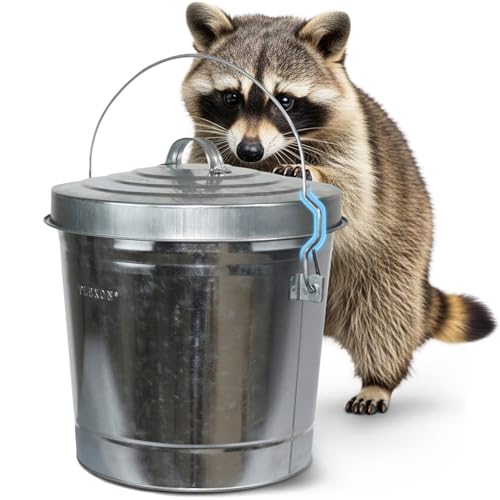
Cleaning up spilled feed at the end of the day, rather than letting it accumulate under feeders, and collecting eggs promptly so they are not sitting out overnight, both remove additional draws. Clutter near the coop, whether stacked lumber, old equipment, or dense brush, gives rodents cover to approach without being seen, so keeping the immediate area around the structure clear helps as much as anything done to the coop itself.
When Trapping or Bait Becomes Necessary
Snap traps and enclosed bait stations placed along walls, where rodents tend to travel, are a reasonable next step once exclusion and sanitation are in place but a population is already established. If rodenticide is used, it should always be in a tamper-proof, enclosed bait station positioned where chickens, pets, and wildlife cannot access it directly, since secondary poisoning is a real risk to anything that might eat a poisoned rodent.

Rotating between different active ingredients over time is also worth knowing about, since rodent populations can build tolerance to a single product used repeatedly. For a persistent or large-scale infestation, a local pest control professional or extension office can advise on the most effective and safest approach for a backyard setting.
Signs You Already Have a Rodent Problem
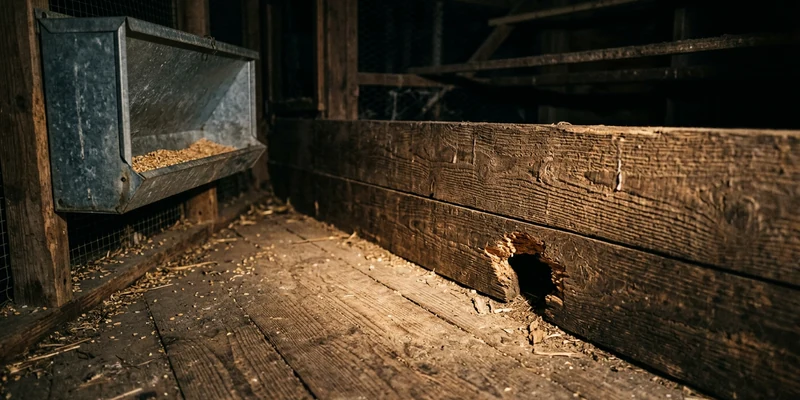
Rats and mice are mostly active at night, so many keepers notice the signs before they ever see the animal itself. Droppings near feed storage, gnaw marks on wood, plastic feeders, or bags, and small burrow openings around the coop’s base or foundation are all common early indicators. A greasy smudge mark along a wall or baseboard, left behind as rodents repeatedly travel the same route, is another telltale sign worth checking for.
Disappearing feed that outpaces what the flock could reasonably eat, or eggs going missing overnight, both point toward rodent activity as well, particularly if the loss is gradual rather than a single dramatic event. Catching these signs early, before a small population becomes an established one, makes exclusion and cleanup considerably easier.
Common Mistakes With Coop Rodent Control
- Using chicken wire instead of hardware cloth for exclusion. Chicken wire’s larger gaps do little to stop rats or mice from squeezing through.
- Storing feed in its original paper bag. An unsealed bag is an open invitation for rodents and draws them in quickly.
- Placing bait where chickens or pets can reach it. Loose rodenticide poses a real poisoning risk beyond its intended target.
- Ignoring gaps at ground level and under the coop. Burrowing access from below is one of the most common entry points keepers overlook.
- Waiting until a large infestation is visible to act. Exclusion and sanitation work best as ongoing habits, not emergency responses.
Frequently Asked Questions
How do you keep rats out of a chicken coop? Line the structure and its perimeter with hardware cloth, bury an apron around the base to stop digging, store feed in sealed metal containers, and remove clutter that offers cover near the coop.
What size hardware cloth keeps rats and mice out? Generally, 1/4 inch openings are enough to exclude rats, while smaller mice may need openings closer to 1/8 inch to be fully stopped.
Can rats hurt chickens? Rats are known to prey on eggs and very young chicks if they gain regular coop access, and they can spread bacteria and parasites through contaminated feed and droppings.
Is rodenticide safe to use near chickens? Only when placed in a tamper-proof, enclosed bait station that chickens, pets, and wildlife cannot access, since loose bait carries a real risk of accidental or secondary poisoning.
What attracts mice to a chicken coop? Spilled feed, warm shelter, and easy hiding spots are the main draws, the same combination that attracts rats, just on a smaller scale.
How do you know if you have rats or mice in the coop? Droppings, gnaw marks on wood or feed containers, burrow openings near the coop base, and disappearing feed or eggs are all common signs worth investigating.
Do chickens keep rats and mice away on their own? Not reliably. Chickens may chase off a bold mouse occasionally, but they are not an effective rodent control strategy on their own, and a determined rat is generally too large and cautious for a hen to deter.
The Bottom Line
Rats and mice are drawn to chicken coops by the same combination of accessible feed and easy shelter every time, which means exclusion and sanitation solve most problems before they start. Hardware cloth, sealed feed storage, and a clutter-free perimeter go further than any trap or bait applied after the fact, and any rodenticide should stay in a tamper-proof station away from the flock.