Last updated: August 16, 2026
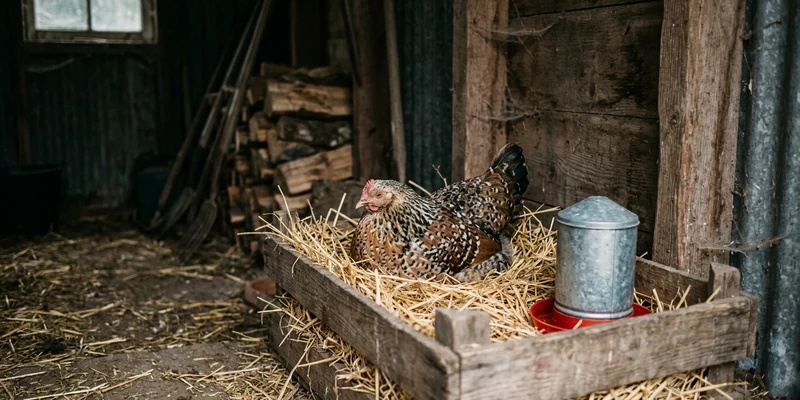
A hen sitting quietly by herself in a corner, fluffed up and unwilling to move, is one of the more common things a keeper notices before anything else seems obviously wrong. Chickens are prey animals and instinctively hide weakness, so by the time a bird is visibly separating herself from the flock or showing clear symptoms, it is generally worth acting rather than waiting to see if it resolves on its own.
This guide covers how to tell a chicken is sick enough to isolate, why separating that bird from the rest of the flock matters, and how to set up a temporary space while you get in touch with a veterinarian or your local extension office for anything beyond basic observation.
Quick Answer
Why and when should you isolate a sick chicken?
- Isolate a bird that is sitting apart, fluffed up, lethargic, not eating or drinking, limping, injured, or showing discharge.
- Separation protects the bird from being bullied or further injured by flock mates while it recovers.
- It also limits the spread of anything contagious and makes it far easier to watch the bird closely and get her to eat and drink.
- Contact a veterinarian or your local extension office for anything beyond basic observation; this guide does not cover diagnosis or treatment.
Signs That Usually Call for Isolation
Not every off day means a bird needs to be separated, but these signs are the ones worth acting on rather than watching indefinitely.
| Sign | What it can indicate | What to do |
|---|---|---|
| Sitting alone, fluffed up, eyes closed | General illness or pain | Isolate and observe; contact a vet if it persists |
| Not eating or drinking | Can point to a range of issues | Isolate to monitor intake closely; seek care if it continues |
| Visible wound or limping | Injury, possibly from a flock mate or predator | Isolate immediately to stop further pecking or injury |
| Discharge, coughing, or labored breathing | Possible respiratory issue | Isolate and contact a veterinarian promptly |
Why Chickens Hide Illness Until It Is Advanced
As a prey species, chickens have a strong instinct to mask weakness, since an animal that looks sick or slow is the one predators target first in the wild. This means a bird that finally shows obvious symptoms, sitting apart, closed eyes, ruffled feathers held close to the body, has often been unwell for longer than it appears from the outside.
That instinct is exactly why regular, hands-on observation of the flock matters more than waiting for a chicken to look dramatically sick. Checking birds individually now and then, rather than only from a distance, makes it far more likely you catch a problem while it is still manageable.
Why Separation Actually Helps
A sick or injured bird left in the main flock faces a second problem on top of whatever is already wrong: chickens are drawn to peck at weakness, blood, and unusual behavior, and a struggling bird can quickly become a target for bullying that makes everything worse. Moving her to a separate space removes that risk immediately and gives her room to rest without competing for food, water, or a spot on the roost.
Isolation also makes it dramatically easier to track whether she is actually eating and drinking, since that is nearly impossible to judge accurately when a bird is mixed in with a full flock. If more than one bird falls ill around the same time, that is a signal to isolate promptly and contact a veterinarian or your state’s poultry extension resources, since a cluster of illness calls for more than at-home observation.
Setting Up a Temporary Isolation Space
A simple isolation setup does not need to be elaborate: a dog crate, a small enclosed pen, or even a large box works, kept somewhere dry, draft-free, and at a comfortable temperature, with its own food and water placed within easy reach. Many keepers position the isolation space where the bird can still see or hear the rest of the flock, since chickens are highly social and complete sensory isolation can add stress on top of whatever she is already dealing with.
Keep the isolated bird’s feeder and waterer completely separate from the main flock’s, and wash your hands after handling her, especially if anything contagious has not been ruled out. Reintroducing her once she has recovered generally goes more smoothly if she has stayed within sight and sound of the flock the whole time, since a long, fully isolated absence can mean starting the pecking order adjustment over almost from scratch.
A separate drinker is the piece most often improvised, and a shallow open dish is exactly what you do not want next to a bird that is already unwell. Our waterer guide covers the smaller enclosed designs.
When to Involve a Veterinarian or Extension Office
This guide covers observation and separation, not diagnosis or treatment, and that distinction matters. Labored breathing, a wound that will not stop bleeding, a bird that has not eaten or had water in over a day, or any sudden illness affecting multiple birds at once are all situations where a veterinarian or your local agricultural extension office should be the next call rather than continued at-home monitoring.
Extension offices, particularly ones with poultry specialists, are a useful and often free resource for backyard keepers who do not have easy access to a poultry veterinarian, and they can help you decide whether a single sick bird is an isolated case or something that warrants closer attention across the whole flock.
What to Have Ready Before You Need It
Having a basic isolation setup ready before you need it, rather than scrambling to assemble one while a bird is already unwell, makes the whole process less stressful for both of you. A spare crate or small pen stored somewhere accessible, along with a backup feeder and waterer set aside specifically for this purpose, means you can move a bird within minutes of noticing a problem.
Keeping the contact information for a poultry-experienced veterinarian or your local extension office on hand ahead of time is worth doing too, since not every general veterinary practice sees chickens regularly, and knowing who to call before an emergency arrives saves valuable time when it counts.
Common Mistakes When a Chicken Seems Sick
- Waiting to see if it resolves on its own. Chickens hide illness well, so visible symptoms often mean the problem is already fairly advanced.
- Leaving a sick or injured bird in the flock. Flock mates commonly target weakness or blood, which can turn a manageable problem into a worse one.
- Isolating a bird completely out of sight and sound of the flock. This can make reintroduction and pecking order adjustment harder later on.
- Attempting to diagnose or treat at home without guidance. A veterinarian or extension office can identify what is actually going on far more reliably than a guess.
- Not separating quarantine and isolation feeders from the main flock’s. Shared equipment can undercut the whole point of separating a potentially contagious bird.
Frequently Asked Questions
How can you tell if a chicken is sick? Common sick chicken symptoms include sitting alone and fluffed up, closed or dull eyes, reduced appetite or thirst, limping, discharge, or a general reluctance to move or interact with the rest of the flock.
Why should you isolate a sick chicken? Separation protects her from being bullied or further injured by flock mates, limits the spread of anything contagious, and makes it much easier to monitor whether she is eating, drinking, and improving.
How long should a sick chicken stay isolated? There is no fixed answer, since it depends on what is going on with the bird. A veterinarian or extension office is the right resource for guidance on a specific case rather than a general timeline.
Should a chicken be completely out of sight of the flock during isolation? Not necessarily. Many keepers find that keeping the isolated bird within sight or sound of the flock reduces stress and makes reintroduction easier once she has recovered.
Can a sick chicken still be around other chickens? No, a sick or injured bird should be kept physically separate with its own food and water to protect both the individual bird and the rest of the flock while you figure out next steps.
When should you call a veterinarian instead of just isolating a chicken? Labored breathing, uncontrolled bleeding, a bird that has stopped eating or drinking entirely, or multiple birds falling ill at once all call for a veterinarian or extension office rather than continued at-home observation.
The Bottom Line
A chicken sitting apart, fluffed up, or otherwise off is worth taking seriously, since chickens hide illness well and visible signs often mean a problem has already been developing for a while. Isolating her protects her from the rest of the flock, limits potential spread, and makes close observation possible, but diagnosis and treatment belong with a veterinarian or your local extension office, not guesswork at home.