
Last updated: August 16, 2026
A basket of farm fresh eggs looks nothing like a carton from the store, and that difference trips up a lot of new keepers. Backyard eggs often arrive with a bit of dirt or the occasional feather, and the instinct is to rinse them clean right away. In the United States, that instinct works against you unless you follow it through correctly.
This guide covers how to store fresh eggs safely, the right approach to washing fresh eggs, and how long they actually stay good, based on USDA food safety guidance and university extension recommendations rather than kitchen folklore.
Quick Answer
How should you store and wash fresh eggs?
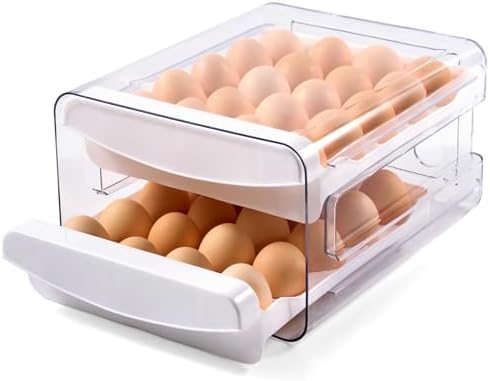
- USDA guidance for home flocks is to refrigerate eggs at 40 degrees Fahrenheit or below, where properly stored eggs generally stay good for 3 to 5 weeks.
- Wash only visibly dirty eggs, right before use, with water noticeably warmer than the egg, and never soak a dirty egg in standing water.
- Once eggs are washed, their protective coating is gone, so washed eggs belong in the refrigerator, not on the counter.
Egg Storage and Washing at a Glance
These are the core rules pulled from USDA food safety guidance and university extension sources on handling eggs from small and backyard flocks. Use this table as a quick reference, then read the sections below for the reasoning behind each rule.
| Question | Guidance | Why it matters |
|---|---|---|
| Should I wash eggs? | Only if visibly dirty, and only right before use | A freshly laid egg has a natural coating, called the bloom, that blocks bacteria and moisture loss |
| What water temperature? | Water clearly warmer than the egg itself | Cold water can draw contaminants through the porous shell into the egg |
| Where should eggs be stored? | Refrigerated at 40 degrees Fahrenheit or below | Cold storage slows bacterial growth and preserves quality |
| How long do fresh eggs last? | Roughly 3 to 5 weeks refrigerated | Matches USDA guidance for properly stored shell eggs |
| Should unwashed eggs be refrigerated too? | Yes, for U.S. backyard flocks | U.S. food safety guidance treats farm and backyard eggs the same as store bought for storage purposes |
Why the United States Refrigerates Eggs and Other Countries Do Not
If you have read that eggs do not need refrigeration, that guidance usually comes from countries where hens are commonly vaccinated against salmonella and eggs are not washed before sale, which lets the natural bloom stay intact on the shell. In the United States, commercial processing washes and sanitizes eggs before they reach stores, which removes that protective coating, and USDA guidance is built around that reality: refrigeration from farm or coop to table.
For a backyard flock, the safest approach follows the same logic. Once you wash an egg, whether you meant to or not, treat it as a washed egg from that point on and keep it refrigerated rather than switching back and forth between counter and refrigerator storage.
Should You Wash Fresh Eggs at All?
University extension guidance generally leans toward washing only when an egg is visibly dirty, and doing that wash right before you plan to use or refrigerate the egg rather than as a standard step for every egg collected. A clean, dry egg with no visible debris can typically go straight into the refrigerator unwashed, since the bloom is doing its job of protecting the shell’s pores.
When washing is needed, use water that is noticeably warmer than the egg itself, ideally with a dedicated egg wash or a mild, unscented, non-foaming detergent rather than harsh soap. Never soak eggs in a bowl of standing water, since that gives bacteria on the shell surface more time and opportunity to be drawn inward through the pores as the egg cools.
How Long Do Fresh Eggs Last?
Following USDA guidance, shell eggs stored properly in the refrigerator at 40 degrees Fahrenheit or below are generally good for about 3 to 5 weeks. That window assumes consistent refrigeration, not eggs that have spent hours sitting out on a counter or in a warm coop before being collected and chilled.
A simple float test, where a fresh egg sinks and lies flat while an older egg stands more upright or floats due to a growing air cell, can give a rough sense of relative age, though it is not a substitute for refrigeration and reasonable collection habits. When in doubt about an egg’s condition, crack it into a separate bowl first and check for off smells or appearance before adding it to other ingredients.
Collecting Eggs to Keep Them at Their Best
Collecting eggs at least once daily, and more often during hot or freezing weather, keeps them out of the coop’s temperature swings and away from droppings, broken shells from other eggs, or curious flock mates. A clean, well maintained nest box with fresh bedding reduces how often eggs need washing in the first place, which is the simplest way to protect that natural bloom.
Our guide on how many eggs a chicken lays can help you plan a realistic collection routine around your flock’s actual output, and our guide on eggs in winter covers the extra steps cold weather adds to collection and storage.
What to Do About Cracked Eggs
An egg found already cracked in the nest box has had its shell barrier breached, giving bacteria a direct path inside, so USDA guidance is to discard eggs with cracked or damaged shells rather than store or use them. This is different from an egg you crack yourself while collecting or handling it at home.
If you accidentally crack an egg while gathering it, transfer the contents into a clean, airtight container right away, refrigerate it immediately, and plan to use it within two days. That two day window starts the moment the shell breaks, not from when you notice the crack later, so handle a freshly cracked egg promptly rather than setting it aside.
A run of thin shells is usually a calcium problem rather than a handling one. Offering oyster shell separately from the feed lets the hens that need it take more.
Common Mistakes When Storing and Washing Eggs
- Washing every egg out of habit. Washing removes the protective bloom, so it is better reserved for visibly dirty eggs right before use.
- Using cold water to wash eggs. Water cooler than the egg can pull contaminants inward through the shell rather than rinsing them away.
- Soaking dirty eggs to loosen debris. Standing water gives bacteria more contact time with the shell surface than a quick warm rinse does.
- Leaving eggs at room temperature after washing. Once washed, an egg has lost its natural barrier and needs consistent refrigeration from that point on.
- Letting eggs sit in the coop too long before collecting. Heat, cold, and contact with droppings or other eggs all shorten how well an egg holds up in storage.
Frequently Asked Questions
Do fresh eggs need to be refrigerated? In the United States, yes. USDA guidance calls for refrigerating shell eggs at 40 degrees Fahrenheit or below, whether they came from a store or your own backyard flock.
How long do fresh eggs last in the refrigerator? Properly refrigerated shell eggs generally stay good for about 3 to 5 weeks, according to USDA guidance.
What is the right way to wash a dirty egg? Wash only visibly dirty eggs, right before use, with water noticeably warmer than the egg, and avoid soaking. Refrigerate the egg promptly afterward.
Can I store unwashed eggs on the counter? Some countries store unwashed eggs unrefrigerated, but U.S. food safety guidance recommends refrigerating backyard and farm eggs the same way as store bought eggs, given how eggs are typically handled and processed domestically.
How can I tell if an egg has gone bad? Crack it into a separate bowl and check for an off smell or unusual appearance before use. A float test can offer a rough age indicator but is not a substitute for proper refrigeration.
Does washing eggs remove salmonella risk entirely? Washing and refrigeration reduce risk but do not eliminate it entirely. Careful handling, clean nest boxes, and cooking eggs thoroughly all remain part of safe egg handling.
The Bottom Line
Store fresh eggs in the refrigerator at 40 degrees Fahrenheit or below, where USDA guidance puts safe storage at roughly 3 to 5 weeks. Wash only visibly dirty eggs, right before use, with water warmer than the egg, and once an egg is washed, keep it refrigerated from that point on rather than back on the counter.