Last updated: August 16, 2026
Not every chicken wants to be picked up, and a flighty, easily startled bird can turn a child’s first flock experience into a chase around the yard instead of the calm, hands-on hobby most families picture. Temperament varies by breed almost as reliably as egg color does, which makes it one of the easiest things to plan for before chicks arrive.
Friendly chicken breeds that tolerate handling well, stay calm around noise and movement, and rarely turn aggressive are the ones that consistently show up on family and beginner recommendations. General searches for docile chicken breeds tend to return the same names over and over, which makes them a useful starting shortlist rather than a guess. This guide covers which breeds fit that description and how to raise any chicken to be more comfortable around kids.
Quick Answer
Which chicken breeds are best for kids?
- Buff Orpington, Australorp, and Silkie are consistently ranked among the calmest, most tolerant breeds for handling by children.
- Cochins and Speckled Sussex are also frequently recommended for their easygoing, unhurried temperament.
- Docile does not mean fragile. These breeds still need the same secure coop, clean water, and predator protection as any flock.
- Temperament has a genetic component but is also shaped by how much calm, gentle handling a chick gets early on.
Kid-Friendly Breeds at a Glance
These breeds are repeatedly cited by hatcheries and experienced keepers as tolerant of handling, slow to startle, and generally low on the aggression scale.
| Breed | Size | Temperament notes | Good to know |
|---|---|---|---|
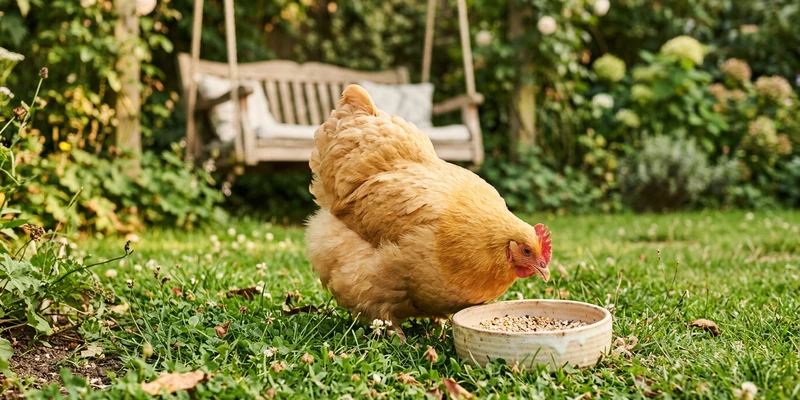
| Buff Orpington | Large, fluffy | Affectionate, tolerates handling well | Also cold hardy and a reliable layer; a common top pick for families |
| Australorp | Large | Calm, quiet, easygoing | Good all-purpose bird, tolerant of being caught and held |
| Silkie | Small bantam | Extremely docile, enjoys sitting still | Fluffy plumage is not waterproof; needs a dry coop |
| Cochin | Large, very fluffy | Gentle, unhurried, easy to catch | Feathered legs and feet need dry bedding to stay clean |
| Speckled Sussex | Medium to large | Friendly, curious, good forager | Dual-purpose heritage breed, generally easy around people |
| Easter Egger | Medium | Usually friendly, though variable | Not a standardized breed, so individual temperament can differ |
Why These Breeds Tend to Be Calmer
Docile breeds share a few traits that make them easier around children: a slower, less flighty disposition, tolerance for being picked up and held, and a lower tendency to bolt at sudden noise or movement. Heavy, fluffy breeds like the Orpington and Cochin were often developed as dual-purpose farm birds rather than for speed or wariness, which shows up in how relaxed they tend to be day to day.
Body size plays a role too. Heavier breeds are generally slower and less prone to sudden bursts of flight than lighter, more athletic breeds, which makes them easier for a child to approach calmly and harder for a startled bird to bolt away from entirely.
Bantam Silkies stand out even within this group. Their calm nature and small size make them popular as genuinely handleable pets, and many keepers describe them as content to sit in a lap rather than resist being held, which is unusual among chickens generally.
Breeds Worth Approaching Carefully Around Kids
Not every popular breed suits a young or first-time handler. Leghorns and other high-strung production breeds are excellent layers but tend to be flightier and less tolerant of handling. Roosters of almost any breed, regardless of how docile the hens are, carry a higher risk of aggression, particularly toward small children, and many families raising chickens with kids choose an all-hen flock specifically to avoid that risk.
Ornamental bantams like the Sebright, while small and visually striking, are also generally more active and flighty than breeds chosen specifically for docility, so they may disappoint a family expecting a lap pet.
Raising Any Breed to Be More Comfortable With Kids
Temperament is partly genetic, but early handling matters just as much for how a bird behaves as an adult. Chicks handled gently and regularly from their first weeks, without chasing or grabbing, generally grow into calmer, more approachable adult birds regardless of breed. Moving slowly, letting a chicken see your hands coming, and offering treats by hand all build the same kind of trust that makes handling easier later.
Supervise young children around any flock, even a docile one. Chickens can peck, and children can unintentionally squeeze or startle a bird, so calm, guided introductions work better than letting a young child interact unsupervised from day one.
Reading a Chicken’s Comfort Level
Even within a naturally docile breed, individual birds still communicate whether they are relaxed or stressed, and teaching kids to read those signals matters as much as picking the right breed. A calm hen typically moves at an unhurried pace, allows a slow approach without bolting, and settles rather than struggles once picked up correctly, supported under the body rather than grabbed by the wings.
Signs a bird is not comfortable include tensing up, repeated attempts to wriggle free, or vocal alarm calls. Teaching a child to set a squirming bird back down rather than tighten their grip prevents both an accidental scratch and a startled chicken from associating handling with something unpleasant.
Setting Up a Family Flock
Beyond breed choice, a family flock benefits from the same fundamentals as any other: secure fencing against predators, enough coop space per bird, and clean water always available. Involving kids in daily chores like collecting eggs or refilling water is often what actually builds the bond with a docile breed, more than the breed label itself.
Starting with two or three docile hens rather than a large flock also tends to work better for a first family experience, since each bird gets more individual handling and children have an easier time learning each one’s personality when there are fewer to keep track of.
If space is tight, several of the calmest breeds, including the Silkie, also come in compact sizes well suited to smaller yards; our guide on chicken breeds for small yards covers that overlap in more detail.
Common Mistakes When Choosing a Family Flock
- Choosing purely on looks without checking temperament. A striking ornamental breed can be far more skittish than a plain-looking but genuinely docile one.
- Adding a rooster without a specific reason. Roosters raise the risk profile around small children even in otherwise docile breeds, and most backyard flocks do not need one.
- Skipping early handling. Chicks left mostly untouched tend to grow into more wary adults, regardless of how docile the breed is on paper.
- Leaving young children unsupervised with the flock. Even friendly breeds can peck if startled or mishandled, so guided introductions matter.
- Assuming one friendly hen means the whole breed is guaranteed calm. Individual temperament still varies within any breed, especially non-standardized types like the Easter Egger.
Frequently Asked Questions
What is the friendliest chicken breed overall? Buff Orpington and Australorp are among the most consistently recommended breeds for calm, tolerant temperament, with the bantam Silkie often cited as the most handleable of all.
Are Silkies good pets for kids? Yes, generally. Silkies are known for being especially docile and easy to hold, though their non-waterproof fluff means they need a dry coop, especially in wet or snowy weather.
Should a family flock include a rooster? Most families raising chickens with young kids choose an all-hen flock, since roosters carry a higher risk of aggression, regardless of the hens’ temperament.
Can any chicken breed become friendly with enough handling? Handling helps every breed become more comfortable with people, but naturally docile breeds like the Orpington or Australorp still tend to respond better and faster than naturally flighty breeds like the Leghorn.
At what age can kids start handling chicks? There is no fixed age, but any handling should be supervised, gentle, and brief at first, building up as both the child and the bird get more comfortable with each other.
Is it safe for kids to handle chickens without adult supervision? Supervision is recommended, since chickens can peck if startled and children can unintentionally handle a bird too roughly, even with a docile breed.
The Bottom Line
For a family flock, docile breeds like the Buff Orpington, Australorp, and Silkie consistently tolerate handling better than flightier production breeds. Breed choice sets the starting point, but gentle, regular handling from an early age and supervised introductions do most of the work in building a genuinely kid-friendly flock.
See the kid-friendly breed chart